
Bootstrap Network
A safe haven for those transitioning to regenerative livelihoods and falling through the cracks of conventional systems
The Transition Challenge
The most common objection to any alternative economic vision is practical: "This sounds good, but how will I pay my taxes and bills while participating?"
This is not a trivial concern. Most regenerative initiatives fail to address the bridge between current economic reality and desired future systems. People need to eat, house themselves, and meet obligations now—not after the revolution.
Regenerativa addresses this through the Bootstrap Network—a safe haven for those falling through the cracks of the conventional system or consciously choosing to transition away from it.
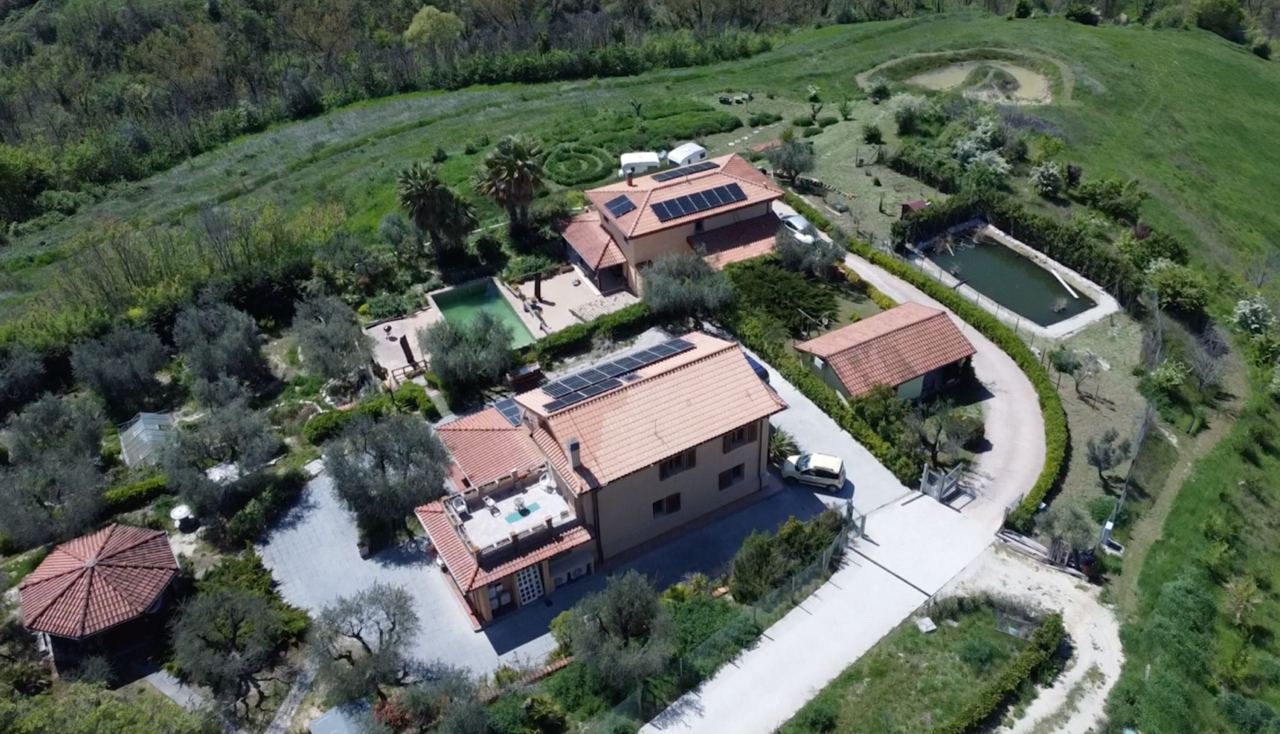
Liminal Village — a working example of a regenerative node in Tuscany
What Bootstrap Provides
Four essential supports for successful transition
Help newcomers understand the system, identify their skills and needs, and connect with opportunities to contribute and benefit.
- Skills inventory and assessment
- Need expression framework
- Network navigation support
Recognition that during transition, both monetary and non-monetary resources will circulate. The system treats money as one resource among many.
- Multi-resource accounting
- Gradual monetary dependence reduction
- Diversified resource access pathways
Physical locations where people can recover from the psychological, physical, and spiritual trauma inflicted by conventional economic systems.
- Burnout recovery support
- Community connection rebuilding
- Meaning and purpose restoration
Opportunities to learn productive skills valued within the network while contributing at whatever capacity one currently possesses.
- Regenerative agriculture training
- Open-source production skills
- Community coordination practices
The Optionality System
Bootstrap succeeds by creating genuine optionality—the ability to meet diverse needs through diverse pathways
Every resource and contribution is ranked by its optionality: How many other resources can be accessed through it? How many people recognize it as valuable?
As participants contribute, they accumulate various forms of optionality that enable them to meet their needs with decreasing reliance on conventional money.
Maximum optionality
Can be exchanged for almost anything in conventional markets, but requires participation in extractive systems to acquire.
High optionality
Recognized across all nodes in the network, earned through contribution to collective needs and regenerative actions.
Medium optionality
High value within relevant nodes (e.g., carpentry in building projects, permaculture knowledge in food systems).
Growing optionality
Tree planting, ocean plastic removal, soil restoration gain optionality as more nodes recognize ecological health as fundamental infrastructure.
Context-dependent
Reputation and relationships within communities enable access to resources through trust rather than formal exchange.
Parallel System Strategy
Regenerativa grows alongside existing systems rather than requiring their overthrow
Solve Real Problems
Begin with projects that address genuine unmet needs—local organic food, soil regeneration, quality childhood education, tool sharing—creating immediate tangible value.
Open Source Everything
Make all solutions freely available under regenerative licenses so that success spreads naturally rather than being enclosed for profit extraction.
Build Resilient Networks
Create strong relationality between nodes so that disruption in one area can be supported by abundance elsewhere.
Welcome Existing Initiatives
Invite any project working toward regenerative or social benefit to join as an early project, bringing their methodology and learning into the network.
Demonstrate Superior Outcomes
Let the results speak—healthier soil, happier children, stronger communities, reduced dependence on extractive systems—so that participation becomes obviously preferable.
Begin Your Transition
Whether you're experiencing burnout from conventional systems, seeking meaningful work aligned with regeneration, or ready to build alternatives in your community—the Bootstrap Network provides a pathway.