
Fractal Networks
A whole that is simultaneously a part of a larger whole—the basic organizational unit of Regenerativa
What is a Fractal Network?
The term "holon" comes from systems theory, coined by Arthur Koestler to describe something that is simultaneously a whole and a part. Every holon has two essential natures:
Each node is a complete, self-organizing entity with its own integrity, governance, and capacity to meet its members' needs. It functions autonomously with internal coherence.
Simultaneously, each node is a component of larger networks, contributing to and benefiting from the health of broader systems. No node exists in isolation.
In Regenerativa, fractal networks function as living cells within a larger organism—each contributing to and benefiting from the health of the whole. This fractal structure enables coordination at every scale, from individual projects to bioregional networks to the planetary system.
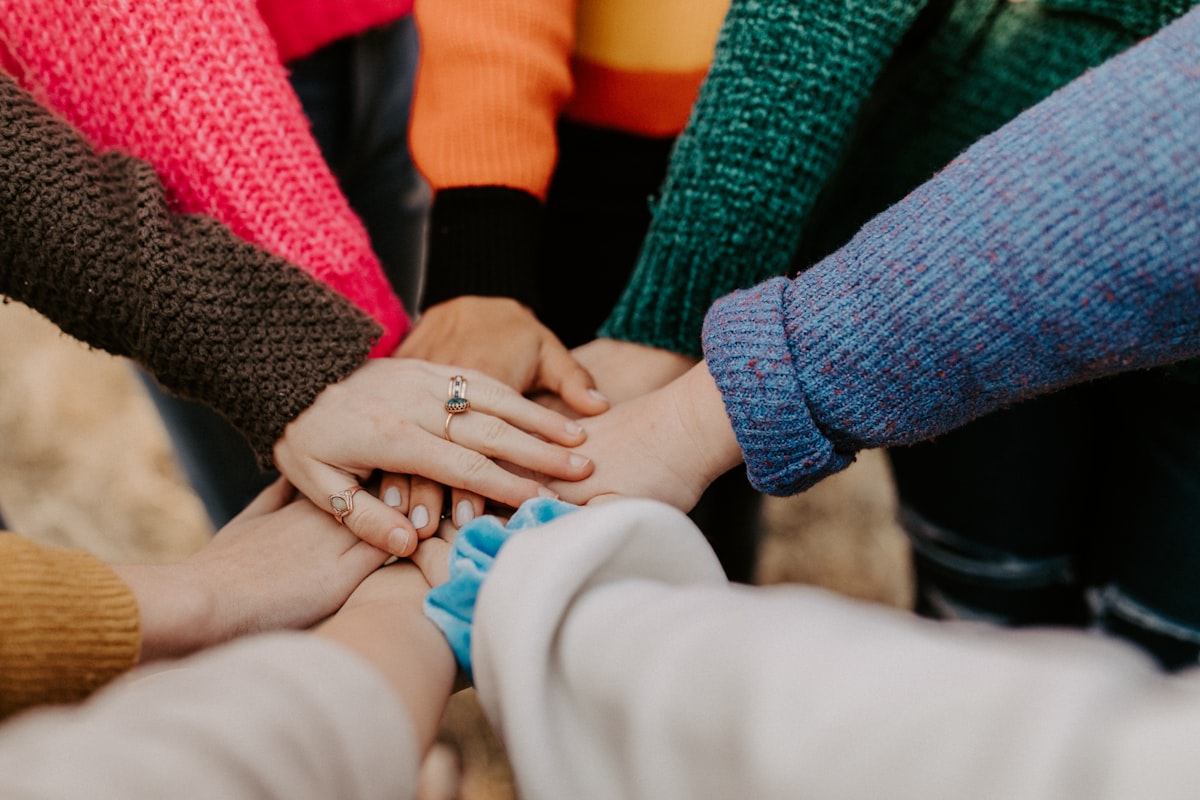

Two Fundamental Interfaces
Every node operates through two primary interfaces that connect it to the broader network
The needs and wishes of participants within the node, expressed as subscriptions to desired outcomes. These needs travel with individuals across different nodes they participate in, creating a personal profile of requirements that can be satisfied anywhere in the network.
Examples:
- • Organic food access
- • Quality education for children
- • Regenerative tools and equipment
- • Skill development opportunities
The positive externalities generated by the node—products, services, regenerative impacts—that address needs specified elsewhere in the network. Every node contributes value that extends beyond its immediate members.
Examples:
- • Locally-grown organic produce
- • Open-source farming equipment
- • Educational programs and workshops
- • Ecosystem restoration services
Each node must account for its negative externalities—the resources consumed and impacts generated in producing its outputs. Critically, these negative externalities themselves become needs that other projects can address, creating a self-correcting system that naturally evolves toward circularity.
Fractal Scaling
Nodes nest within nodes at every scale
Each individual is a node—a whole person with their own needs and agency, and simultaneously a participant in multiple larger nodes (projects, communities, bioregions).
Projects like Agrosphere farming operations or tool-sharing libraries are nodes—complete in themselves while contributing to community resilience and participating in the broader network.
Places like Liminal Village or ReFactory are nodes—complete communities with internal coherence while participating in bioregional and global networks.
Bioregions organized around natural boundaries (watersheds, ecosystems) function as nodes—coordinating resources and regeneration across larger territories while contributing to planetary health.
Regenerativa itself functions as a planetary node—a complete network while simultaneously being part of the larger living Earth system.
How Fractal Networks Coordinate
Through RegenOS and regenerative principles
Transparent Need Expression
All nodes make their needs visible through RegenOS, creating demand signals that other nodes can respond to.
Resource Flow Tracking
Multi-resource accounting enables sophisticated exchanges—labor, materials, land access, expertise, and regenerative impact all flow between nodes.
Regenerative Licensing
All outputs carry regenerative licenses ensuring improvements remain commons-accessible and ecological requirements are met.
Value Flow Distribution
Monthly Value Flow distribution rewards contributions to collective needs, creating incentive alignment across the network.
Become Part of the Network
Whether you're starting a new project, organizing a community, or connecting existing initiatives—the fractal network structure provides a framework for coordination at every scale.